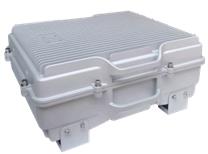
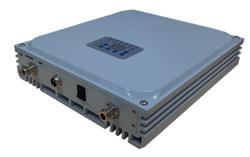
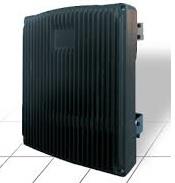
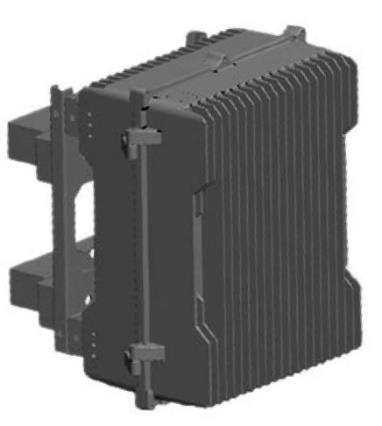
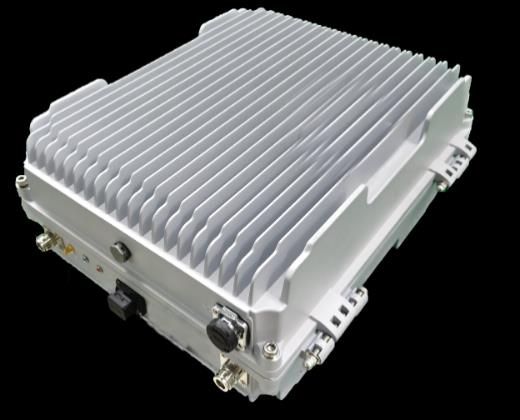
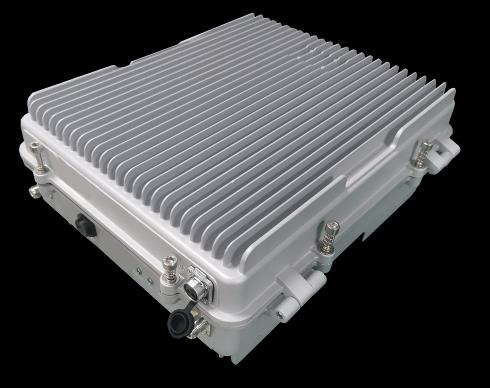
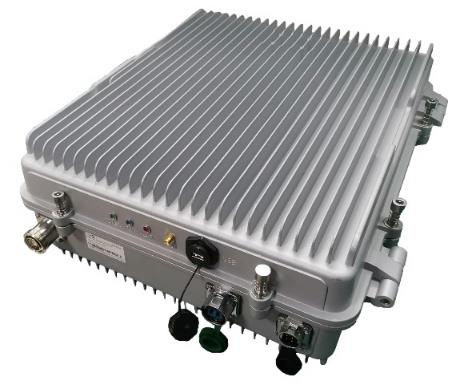
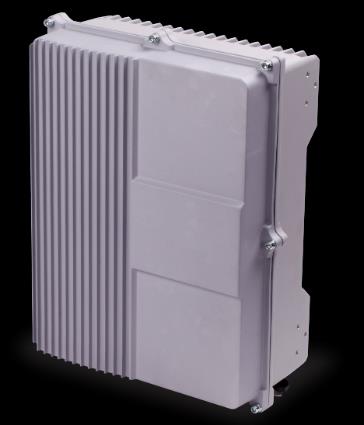
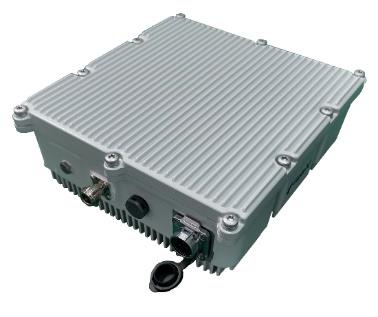
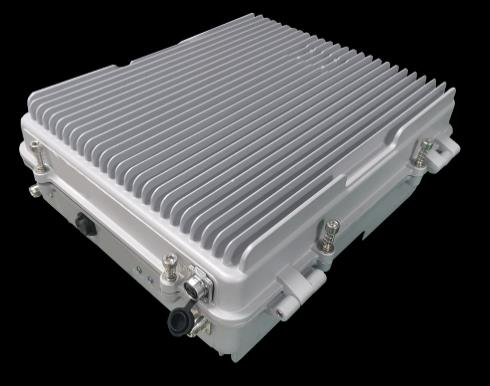
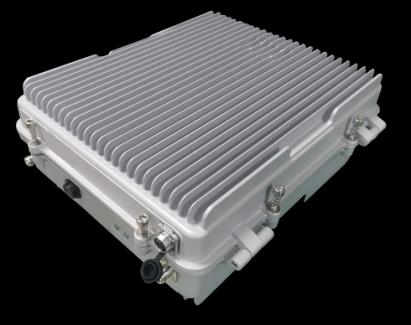
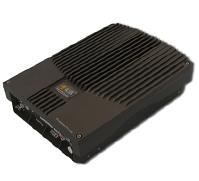
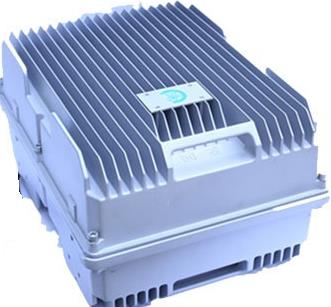
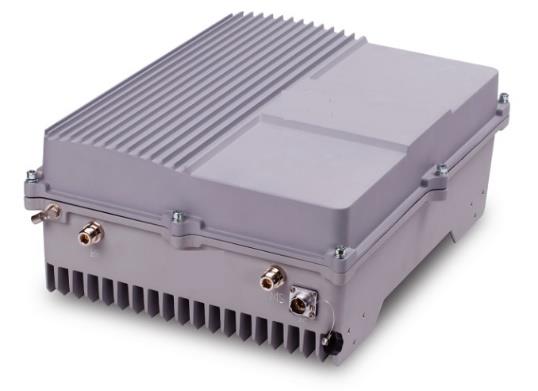
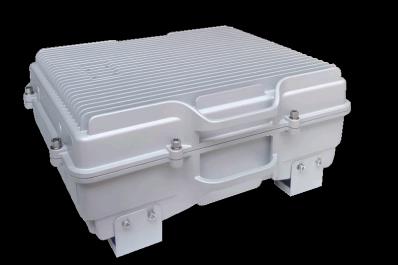
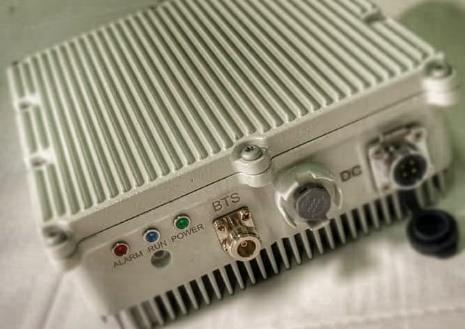
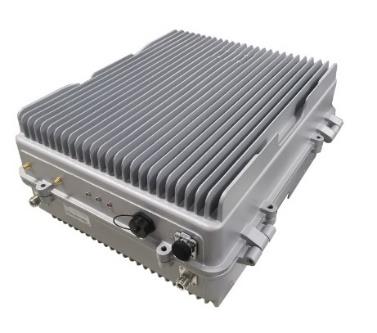
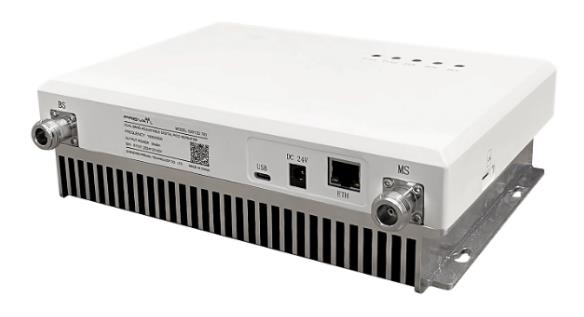
Single Band RF Repeaters by Frequency Band
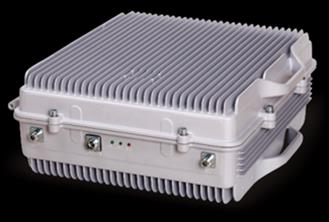
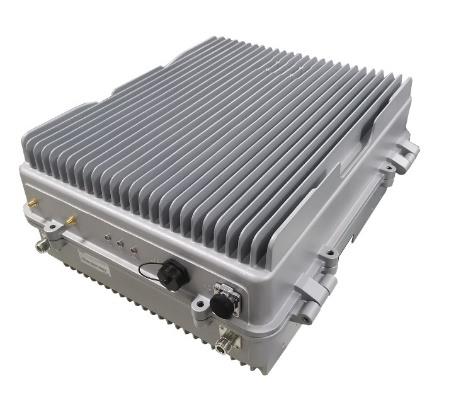
Single band RF repeaters amplify one cellular frequency band, which makes them a focused and cost-effective way to fix coverage for a specific operator or technology. This group covers 14 band families, from Band 31 at 450 MHz to n79 at 4500 MHz, so you can match the repeater directly to the band used by the donor network.
Bands and technologies
The range includes FDD bands such as Band 28 (700 MHz), Band 20 (800 MHz), Band 5 (850 MHz), Band 8 (900 MHz), Band 4 (1700 MHz AWS), Band 3 (1800 MHz), Band 2 (1900 MHz), Band 1 (2100 MHz) and Band 7 (2600 MHz). In addition, TDD models are available for Band 40 (2300 MHz), Band 41 (2600 MHz), n78 (3500 MHz) and n79 (4500 MHz). Depending on the band, models support GSM, WCDMA, LTE and 5G NR, as stated in each datasheet.
Choosing output power and repeater type
Output power ranges from 20 to 24 dBm mini repeaters for small indoor areas, through 30 to 33 dBm power repeaters, up to high power models rated at 37 to 43 dBm for larger buildings and outdoor coverage extension. Furthermore, the group combines several repeater types:
- Band selective repeaters that amplify the complete band
- Digital repeaters with software defined filters for sub bands or operators
- ICS models with an interference cancellation system that eases antenna isolation needs
- Tunable bandwidth models for Band 4 AWS
Use the band shortcuts at the top of this page to go straight to the relevant models, then compare frequency range, gain and output power in each datasheet.
When a single band repeater is the right choice
A single band repeater fits when one operator and one band need to be improved, for example LTE 1800 MHz inside an office or 5G n78 in a basement. However, if several bands must be covered from one unit, see our dual band RF repeaters and triple band repeaters. You can also return to the full range of cellular RF repeaters.
Frequently asked questions
Which band does my site need?
The band depends on the operator and technology you want to improve. A site survey or the operator’s frequency plan confirms it before you select a model.
Contact EMTS with the band, operator and site details for a recommendation.