DAS System Design: How an Indoor Coverage Project Is Planned
A distributed antenna system only performs as well as the design behind it. Two buildings with the same floor area can need very different solutions, depending on construction materials, the services that must be covered and the signal source available. This article walks through the main stages of DAS system design, so facility managers, integrators and project owners know what to expect and what information to prepare.
Stage 1: Defining the Coverage Requirements
Every design starts with clear goals. Which areas must be covered, which mobile operators and frequency bands are needed, and does the building also require public safety radio coverage such as TETRA or DMR? Capacity matters too: a busy office tower or hospital needs more than a basic signal in the corridors.
Stage 2: Site Survey and Measurements
Walk Testing the Existing Signal
Engineers measure the current signal levels and quality inside the building and at potential donor locations on the roof or facade. These measurements reveal dead zones, weak floors and the strength of the outdoor signal that a repeater could use.
Collecting Building Information
Floor plans, wall and glass types, riser routes and equipment room locations all affect the design. Concrete cores, metal coated windows and underground levels are typical sources of signal loss.
Stage 3: Choosing the Architecture
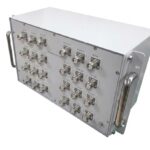
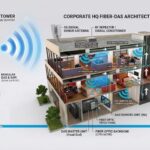
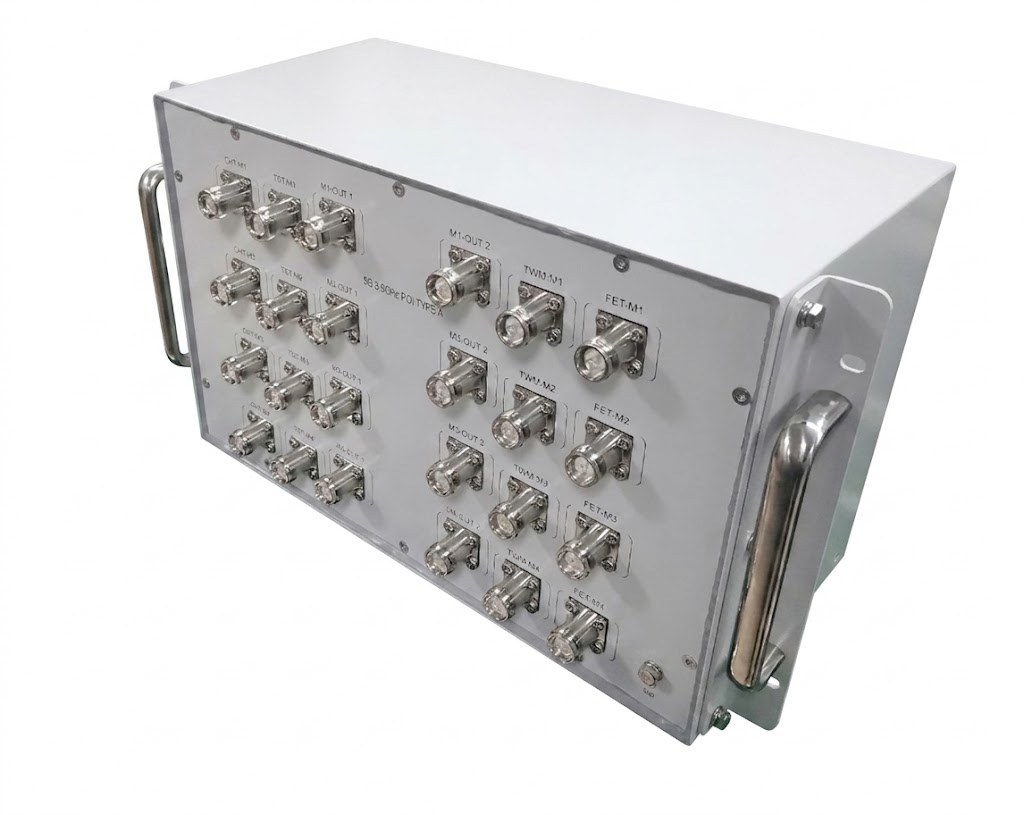
With the data in hand, the designer selects the right approach. Passive DAS distributes RF over coaxial cable and suits smaller sites. Active DAS carries the signal over fiber to remote units and fits large or multi building campuses. Hybrid DAS combines both. The signal source is chosen as well, typically an off air repeater or bi directional amplifier, or a direct feed from an operator base station. You can compare these options on our solutions page.
Passive, Active or Hybrid DAS: A Quick Comparison
| Architecture | How the signal travels | Typically suits | Points to consider |
|---|---|---|---|
| Passive DAS | RF over coaxial cable, splitters and couplers | Small and medium buildings | Cable loss grows with distance, so long runs limit the design |
| Active DAS | Fiber to powered remote units on each floor or zone | Large buildings, hospitals and campuses | Higher equipment cost and power needed at remote units |
| Hybrid DAS | Fiber to remote units, then coax to nearby antennas | Mid size to large sites with mixed layouts | Balances performance and cost, but needs careful planning |
There is no single best architecture. The right choice depends on the size of the building, the number of operators and bands, the available risers and the budget. A good design explains why one option fits the site better than the others.
Stage 4: RF Planning and Link Budget
The designer models antenna placement and calculates a link budget for every branch of the system, accounting for cable loss, splitters and couplers. The goal is even coverage without creating interference with the outdoor macro network. Our article on fiber DAS vs RF repeaters explains how this choice affects performance.
Stage 5: Installation, Commissioning and Optimization
After installation, the system is commissioned and measured again. Gains are tuned, alarms are verified and coverage is compared with the design targets. Where operators require it, their approval is obtained before the system goes live.
What a Typical Project Timeline Looks Like
Most DAS projects follow the same order: requirements, site survey, design, approvals, installation, commissioning and handover. The length of each phase depends on the building and on outside parties. Operator approval for connecting a signal source, access to risers and ceilings, and coordination with other contractors on site often affect the schedule more than the installation itself.
To keep the project on track, share floor plans early, name one contact person on the building side, and agree in advance which areas the team can work in and when. After commissioning, ask for the measurement report and as built documentation, so future changes are easier to plan.
Common Design Mistakes to Avoid
- Planning for a single operator when tenants use several networks.
- Ignoring future needs such as additional bands or 5G.
- Leaving public safety coverage until the end of the project.
- Skipping a proper site survey and relying on assumptions.
Frequently Asked Questions About DAS System Design
How long does DAS system design take?
It depends on the size of the building, the services required and how quickly floor plans and access are available. A small site can move quickly, while large or multi building projects need more survey and design time.
Do we need a site survey if we already have floor plans?
Yes. Floor plans show the layout, but only measurements show the actual signal levels, dead zones and donor signal strength. A design without a survey relies on assumptions.
Can one DAS serve both mobile operators and public safety radio?
In many projects it can, if the design includes the required bands from the start. Planning public safety coverage early avoids costly changes later.
Planning a DAS Project?
EMTS Telecom Services provides end to end engineering for in building coverage, from survey and design through equipment supply and support. Contact our team to discuss your building and coverage requirements.