DAS System Cost: What Really Drives the Price of Indoor Coverage
One of the first questions in any coverage project is how much a DAS system will cost. There is no single price, because every building is different. Understanding the main cost drivers helps you compare proposals fairly, set a realistic budget and avoid paying for capacity you do not need, or saving in places that later cause problems.
The Main Factors Behind DAS System Cost
Building Size and Construction
Larger areas need more antennas, cable and equipment. Construction also plays a major role: thick concrete, underground parking and energy efficient glass block signals and require denser antenna placement.
Number of Operators and Frequency Bands
Supporting several mobile operators and bands, including 5G, requires wideband components and more signal sources. Covering a single band is simpler, but may not serve every tenant or visitor.
Architecture: Passive, Active or Hybrid
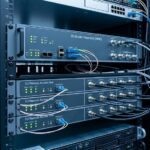
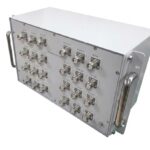
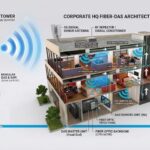
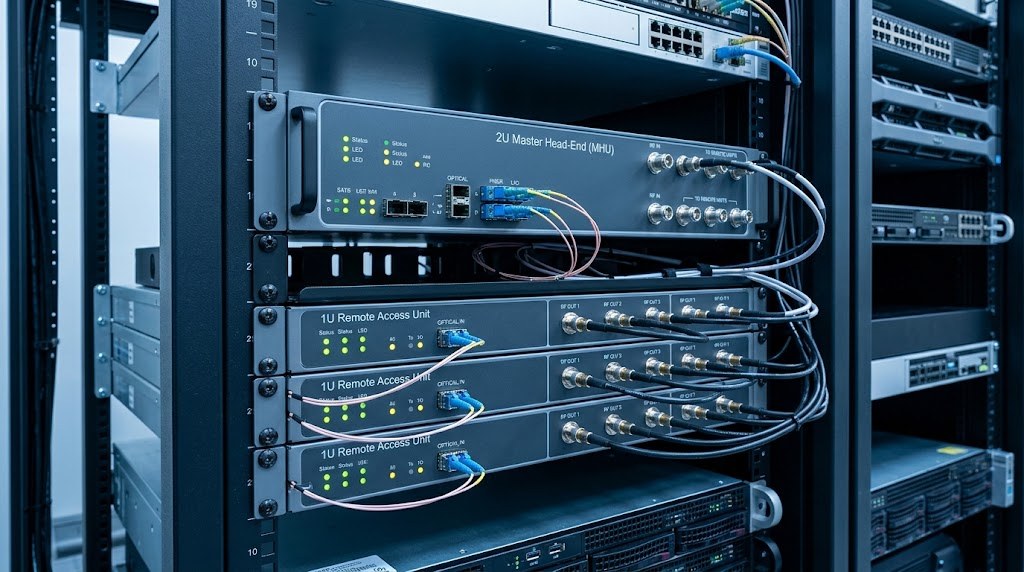
Passive DAS uses coaxial cable and splitters and is usually economical for small and medium sites. Active and hybrid systems use fiber and remote units, which cost more in equipment but scale better across large buildings and campuses. See how the options differ on our solutions page.
Signal Source
An off air repeater or bi directional amplifier that uses the outdoor signal is often the most cost effective source. Projects that need high capacity may require a dedicated base station feed, which adds equipment and coordination with the operator.
Public Safety Requirements
Buildings that need first responder radio coverage, such as TETRA or DMR, add dedicated equipment and testing. Planning it early is cheaper than adding it later. Read more in our article on TETRA and DMR in building coverage.
Installation Conditions
Access to risers and ceilings, working hours in occupied buildings and the length of cable routes all affect labor time.
Cost Drivers at a Glance
| Factor | Why it affects cost | Relative impact |
|---|---|---|
| Building size and construction | More area and heavier materials need more antennas and cable | High |
| Operators and frequency bands | Each operator and band adds components and signal sources | High |
| Signal source | A base station feed costs more than an off air repeater | Medium to high |
| Public safety coverage | Dedicated equipment, testing and approvals | Medium to high |
| Installation conditions | Access, working hours and cable routes change labor time | Medium |
| Survey, design and documentation | Engineering time before and after installation | Low to medium |
The relative impact above is a general guide, not a quote. In one building the signal source may be the biggest item, while in another it is the cabling. That is why two proposals for the same site can look very different.
Costs That Are Easy to Overlook
- Site survey and RF design before installation.
- Commissioning, measurements and documentation.
- Operator approvals where required.
- Monitoring, maintenance and future upgrades.
How to Compare DAS Proposals
When you receive more than one proposal, check that they cover the same scope. Look at which operators and bands each proposal supports, whether public safety coverage is included, what signal source is planned and whether survey, commissioning and documentation are part of the price. A lower price sometimes reflects fewer antennas or a missing band, which can mean weak coverage later.
Ask each supplier for a coverage prediction or design summary, and for the warranty and support terms after handover. These details make it easier to compare offers on value, not only on the total.
How to Get an Accurate Estimate
The most reliable way to estimate DAS system cost is a design based on real measurements. Prepare floor plans, a list of required operators and services, and information about problem areas. With this data, a designer can recommend the right architecture instead of a generic package.
Frequently Asked Questions About DAS System Cost
Why do DAS prices vary so much between buildings?
Every building has a different size, construction, number of operators and signal source. These factors change the amount of equipment and labor, so there is no fixed price per square meter.
Is a site survey worth the extra cost?
In most projects it is. A survey shows the real signal levels and dead zones, so the design and the price are based on measurements and not on assumptions.
Does adding public safety coverage later cost more?
Usually yes. Adding TETRA or DMR coverage after installation can require new equipment and extra work, while planning it from the start keeps the design and cabling simpler.
Talk to EMTS About Your Project
EMTS Telecom Services supplies repeaters, bi directional amplifiers and DAS solutions, with engineering support from planning to deployment. Explore our RF product portfolio or contact us for a project specific assessment.